

Science journalism, structured for people who write about what actually matters
- Read and interpret scientific papers without a research background
- Translate complex findings into accurate, readable stories
- Avoid the most common errors that undermine public trust in science coverage
What the programme covers
Six focused modules built around the decisions journalists actually face - from evaluating a press release to writing a story that holds up to scrutiny.
Reading research without a lab coat
You will learn to identify study design, sample size, and statistical significance - the three things that determine whether a finding is worth covering at all. We use real papers, not simplified examples.
Source relationships and peer review
Peer review does not mean a study is correct. This module covers how to find independent experts, ask the right questions, and know when a single study should not be a headline.
Framing without distortion
Relative risk versus absolute risk. Correlation versus causation. These distinctions shape how readers understand health and policy stories. You will practise rewriting misleading framings into accurate ones.
Uncertainty, ethics, and the full story
The final three modules address how to communicate uncertainty honestly, handle embargoed research, and report on contested science - areas where most training programmes stop short.

Before and after: covering a clinical trial
Before
- Headline matches the press release
- No mention of sample size
- Relative risk stated as absolute
- Single researcher quoted
- No uncertainty acknowledged
After
- Headline reflects actual finding
- Study scale and limits noted
- Both risk figures given in context
- Independent expert included
- Replication status addressed
Participants on what shifted for them
These are accounts from people who completed the programme - what they found difficult, what changed, and what they wish they had learned earlier.
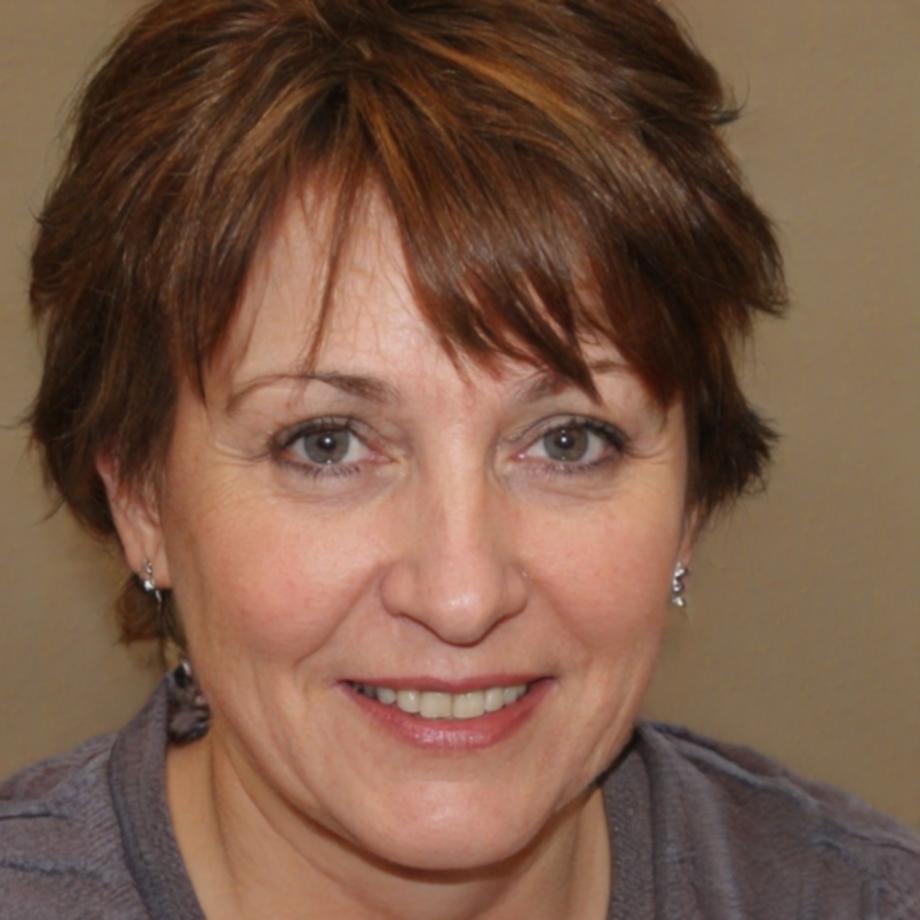
Before this programme I was relying almost entirely on press releases and one or two familiar contacts. The module on independent sourcing changed how I approach every story - I now treat the university announcement as the starting point, not the story itself.
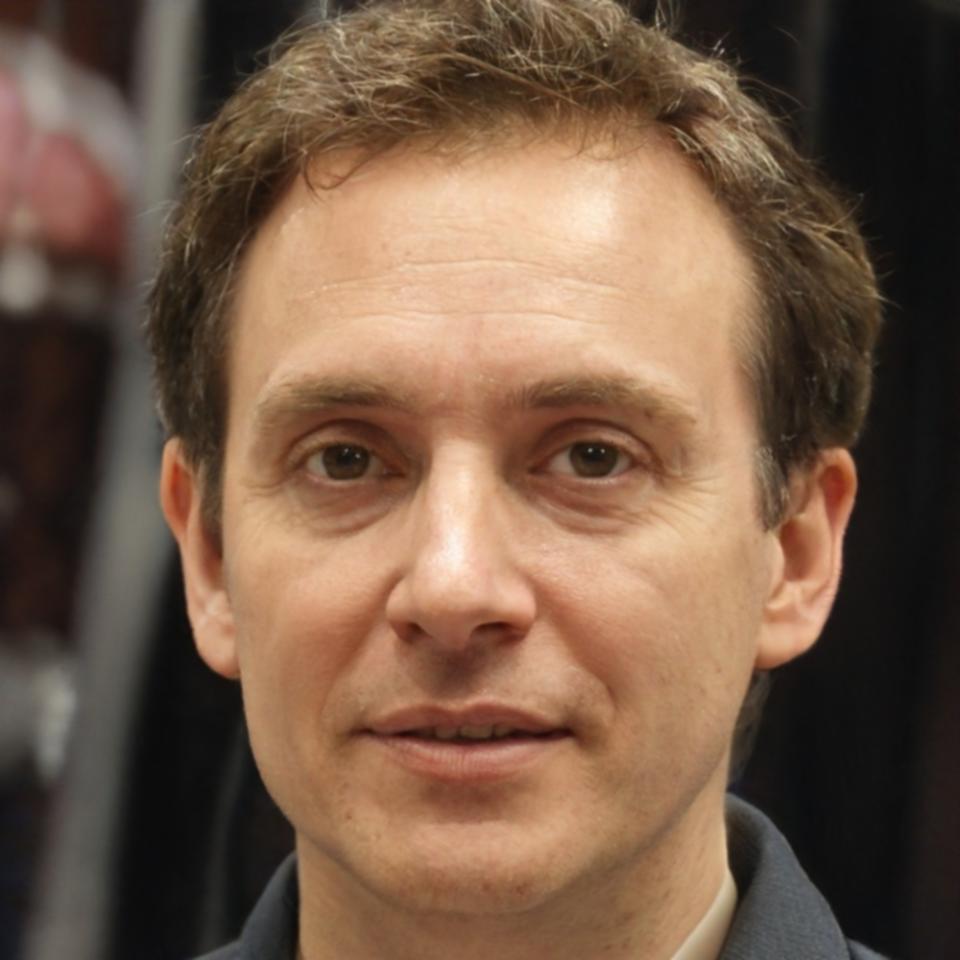
The framing module is where most of my bad habits were caught. I had been writing about relative risk for years without clearly understanding the difference from absolute risk. It is the kind of thing you do not know you are getting wrong until someone shows you the numbers side by side.