

Science journalism taught by people who practise it
A structured learning resource built for writers, researchers, and communicators who want to report on science with accuracy and clarity.
What brought this platform together
Bagoxoi started from a frustration shared by working journalists: science communication is rarely taught as a craft. Most training treats it as a subset of general reporting, skipping the specific skills that make a difference - reading a methods section, questioning a confidence interval, or knowing when a press release has overstated a finding.
The platform was built in Kerry, Ireland, in 2023, with a focus on the practical side of the work. Each lesson is grounded in real examples from published science, broadcast journalism, and print media. The goal is not to produce science fans - it is to produce reporters who can hold scientific institutions to account.
Research and data behind the curriculum →
Good science journalism requires three things that are rarely taught together: statistical literacy, source evaluation, and editorial judgement. Each shapes how a story gets told.

The people who built the curriculum
Each contributor brings working experience from a specific area of science reporting - no generalists, no theorists.
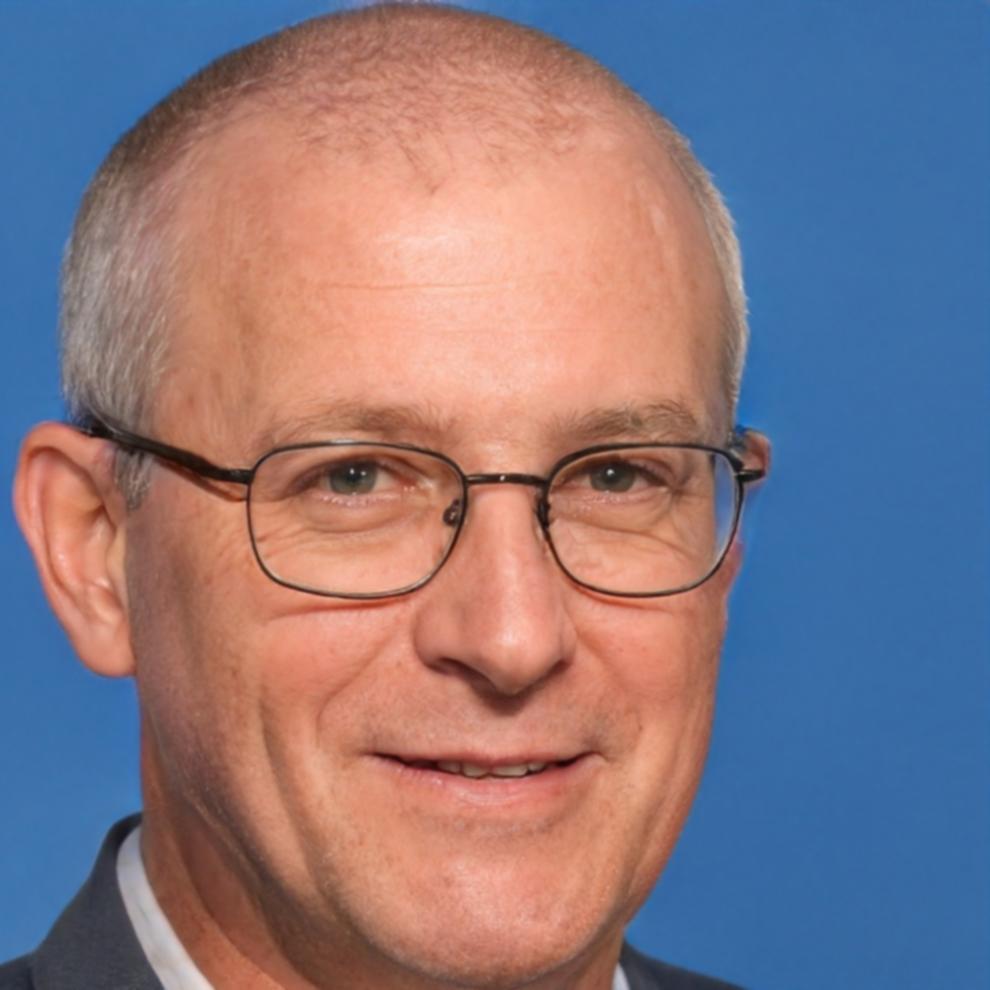
Declan Furphy
Lead Curriculum EditorFifteen years covering environmental and climate science for national outlets. Declan built the module on interpreting IPCC reports and distinguishing political framing from scientific consensus.
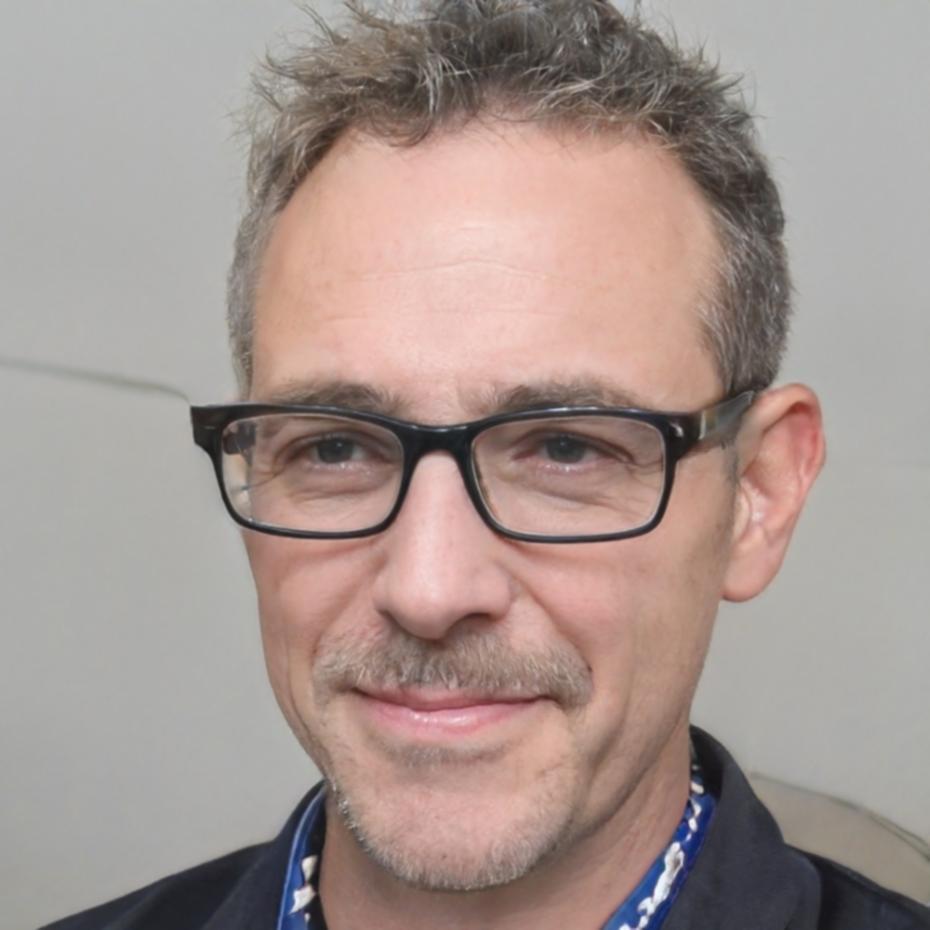
Tomáš Vrábel
Data Journalism InstructorFormer data editor at a European investigative desk. Tomáš designed the statistical literacy units - covering p-values, effect sizes, and how to read a study's limitations section without a science degree.
Sinéad Ó Briain
Editorial Standards AdvisorSpent a decade at a science magazine fact-checking complex medical and pharmaceutical stories. Her contribution covers source verification, embargo handling, and how to push back on embargoed claims without burning contacts.
Ragnhild Sæther
Broadcast Science ReporterRadio and podcast journalist with experience translating dense research into short-form audio. Ragnhild leads the module on interviewing researchers - specifically how to get usable quotes without distorting meaning.